
What We Do
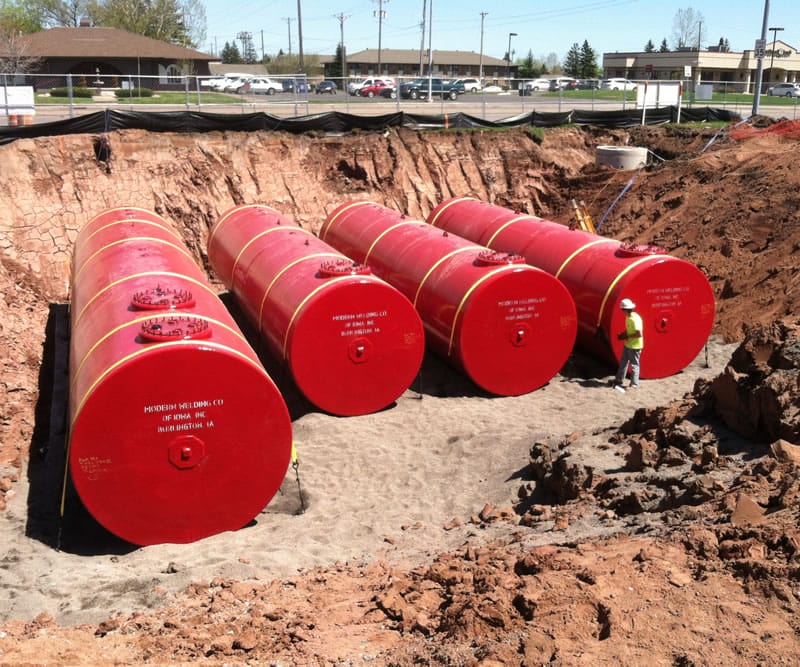 Fuel Storage TanksFuel Storage Tanks
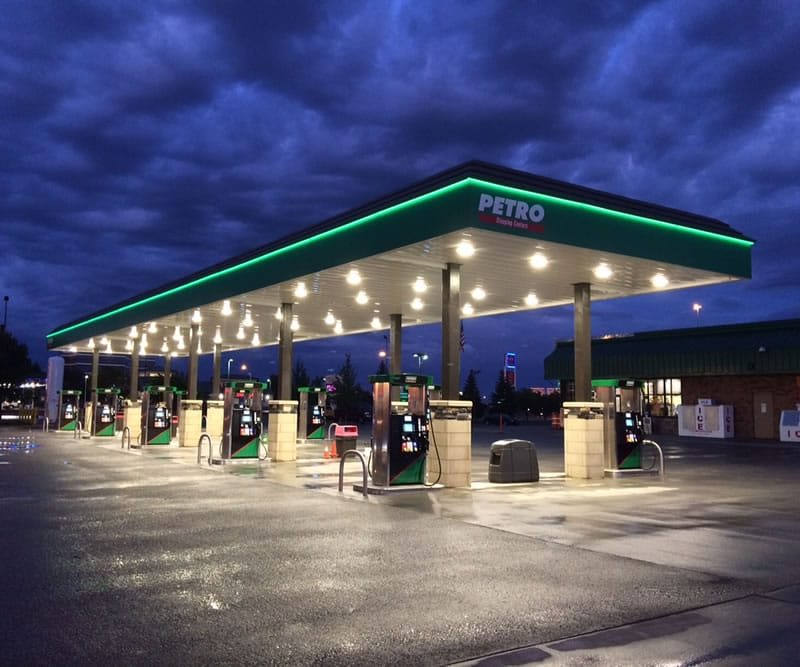 Retail Fueling SystemsRetail Fueling Systems
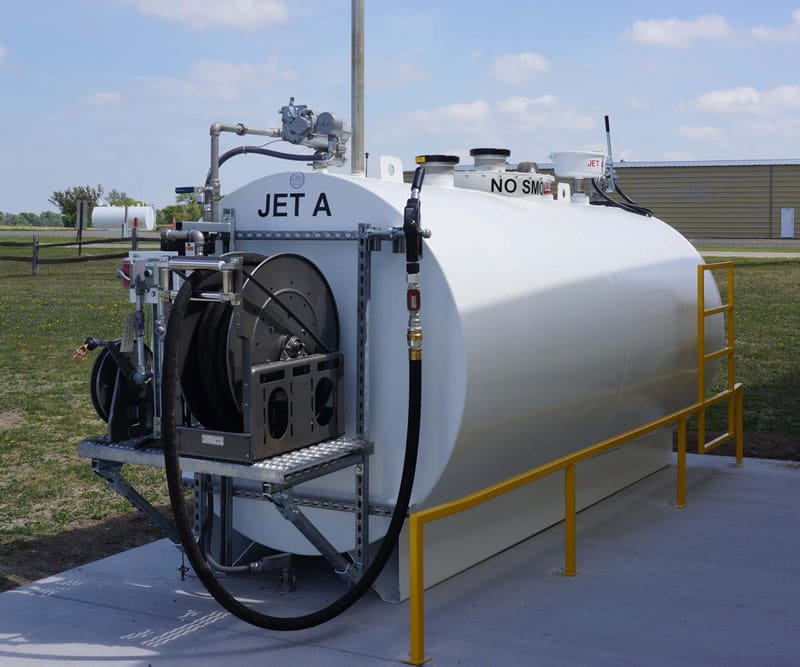 CommercialCommercial
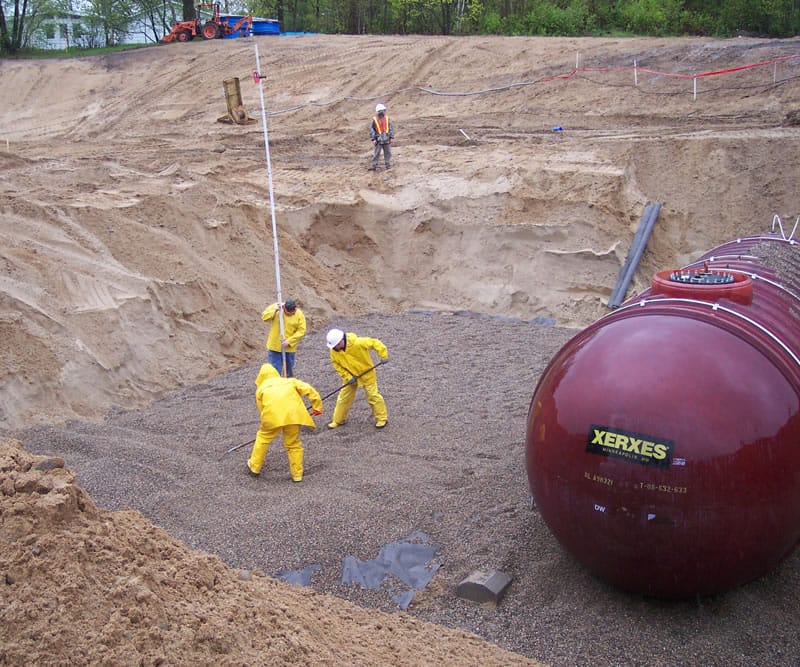 InstallationInstallation
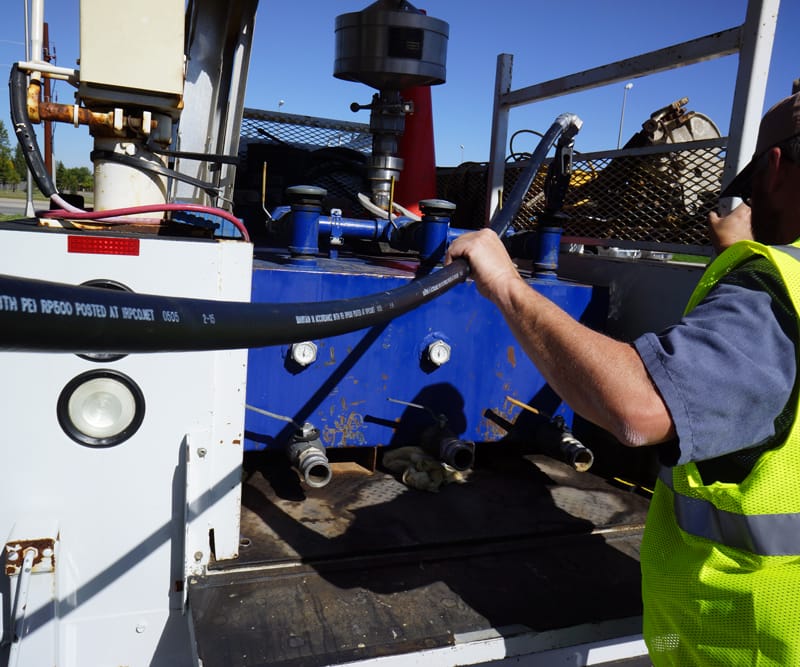 ServiceService

We value relationships with our customers and suppliers.
We don’t take these relationships for granted.
In fact, we understand that these relationships must be mutually beneficial to be sustained.
Who We Are
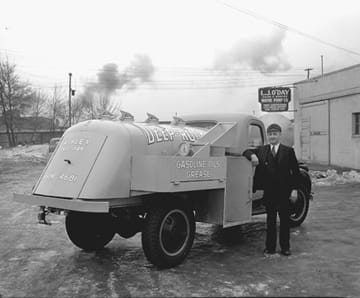
O’Day Equipment is a B2B petroleum equipment and service company that was founded in 1935. Our purpose is to solve customers’ problems by helping them make more money.
When it comes to petroleum, we strive to be the leading resource that provides the highest quality products and services for businesses all over the Midwest.
Learn More About Our History
Join Our Team
At O’Day Equipment, it’s about talent, integrity and innovation. Our people are our greatest resources when it comes to that!
We believe that employees drive our success. We look for talented, motivated individuals who will continue our long-standing tradition of providing great products and exceptional customer service.
View Our Open Positions
Affiliations


Client Testimonials
“Thanks for getting
everything
done way
ahead of schedule!
You guys killed it!”
 Casey Stoll Steehy Construction | St Paul, MN
“I want to express my sincere
appreciation for Paul’s hard work.
The installation at the Rothsay Truck Stop went very well.”
 Mark Leighton Rothsay Truck Stop | Rothsay, MN
“Wanted to thank you for your help
and compliment you on your
wonderful employees.”
 Mark Lindy Dick's Northside | Bemidji, MN
“I must say that we are very impressed
and I am glad that we took this project on with you guys!
We are pleased.”
 Deanne Schatz Petro Stopping Center | Fargo, ND
“I am really pleased with the progress,
professionalism, knowledge,
and cleanliness that
your guys have shown me.”
 Jim Churchill H &H Outdoor Outfitter & Sport Shop Inc | Maple Lake, MN
“O’Day technicians do such GREAT work
on the Lileks trucks when they bring
them in the shop for work.”
 Dave Olson Lilek's Oil Co. | Fargo, ND
“After badgering and picking on you over the years,
I can finally say – Holy S@@t Batman these guys are really good.
NICE JOB – REALLY APPRECIATE
THE EFFORT.”
 Keith Yokum Holiday Station #241 | Fargo, ND